What Are AI Digital Twins for Wellbeing? A Guide for Organizations
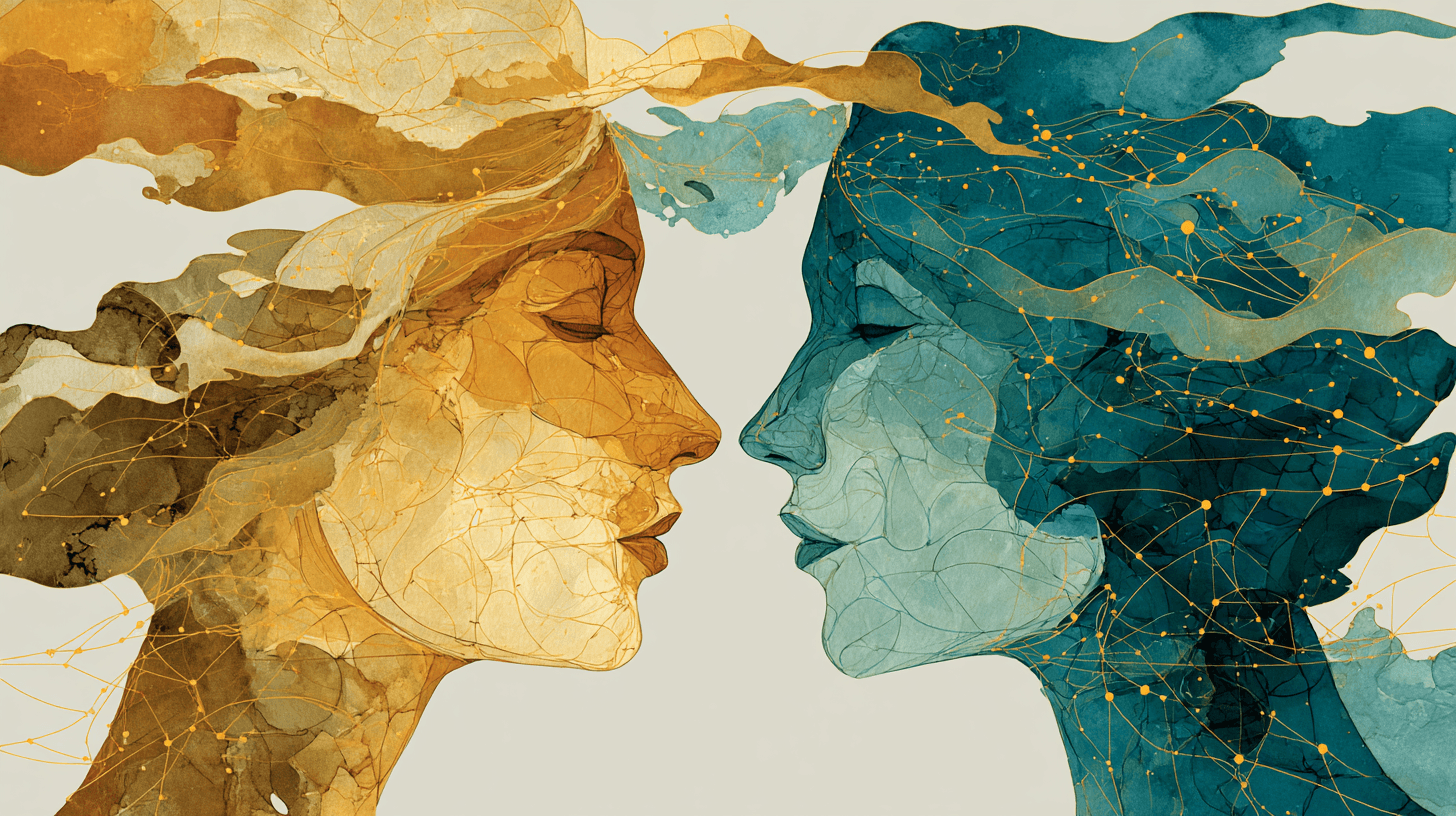
An AI digital twin is a dynamic model of an individual person. It ingests behavioral signals, self-reported data, and interaction history to build a continuously updated representation of that person's cognitive and emotional state. In manufacturing, digital twins model machines. In wellbeing, they model people.
This distinction matters. A digital twin doesn't wait for a user to ask a question. It tracks patterns, identifies shifts, and surfaces insights proactively. That behavior is categorically different from a chatbot.
How Digital Twins Differ from Chatbots
Most wellbeing chatbots are stateless. Each session begins fresh. The bot responds to what a user types in that moment, with no memory of what came before and no model of who the user actually is.
An AI digital twin maintains a persistent, evolving model of the individual. It knows that a specific user typically scores high on resilience but has been showing declining engagement over three weeks. It can flag that pattern to a care coordinator or adjust its interventions automatically. The difference is the difference between a receptionist and a clinician.
Digital twins also operate across modalities. They ingest data from text interactions, voice sessions, psychometric assessments, and behavioral signals like session frequency and completion rates. A chatbot processes one message at a time.
The BQ™ Framework as the Measurement Backbone
For a digital twin to function, it needs a measurement framework. At mybliss, that framework is the Bliss Quotient (BQ™). BQ™ is a psychometric system that tracks wellbeing across multiple dimensions: emotional regulation, resilience, social connection, purpose, and physical baseline.
Each user builds a BQ™ profile over time. The AI twin uses that profile to contextualize new interactions, personalize content recommendations, and detect when a dimension shifts outside normal range. Without a structured measurement framework, a digital twin is just a conversation log.
Use Cases Across Sectors
Healthcare organizations are deploying AI digital twins for clinician wellbeing. AIMIcare, built on the mybliss platform, tracks the emotional patterns of 500+ clinicians using the BQ™ framework. When a clinician's resilience scores drop over successive sessions, the system surfaces targeted Compassionate Mindfulness content rather than waiting for a self-reported crisis.
In education, digital twins help institutions understand student wellbeing at population scale without sacrificing individual privacy. Administrators see aggregate trends. Students receive personalized support. Neither experience is possible with a static app.
Enterprise wellness programs use digital twins to move beyond annual surveys. Instead of measuring wellbeing once a year, they track it continuously and intervene early. This is the difference between a smoke alarm and a sprinkler system.
Personalization at Scale
The core value proposition of AI digital twins is personalization that doesn't break at scale. A wellness coordinator can't maintain individualized relationships with 10,000 employees. An AI twin can.
The mybliss platform manages wellbeing infrastructure for 300+ partner organizations and more than 1 million users. Personalization at that scale requires twin-style individual modeling. Recommendation engines, adaptive content pathways, and proactive check-ins all depend on maintaining a per-user model that evolves with that person.
What Organizations Should Evaluate
Not every platform that uses the word "personalization" is running true digital twin technology. When evaluating vendors, ask three questions. First, is user state persistent across sessions, or does each session start fresh? Second, what data signals feed the individual model, and how is that model updated? Third, does the system generate proactive interventions, or only respond to user-initiated requests?
The answers separate genuine digital twin systems from chatbots with good UX.
Where This Is Headed
AI digital twins for wellbeing are early technology, but the trajectory is clear. As models become more sophisticated and data inputs more diverse, the individual representations will become more accurate. Organizations that invest in this infrastructure now will have years of longitudinal data that their competitors won't have.
The goal isn't to replace human care. It's to make human care more informed, more timely, and more scalable than it can be when practitioners are working from memory and annual surveys alone.
Build your organization's wellbeing platform
See how mybliss can power personalized programs at scale.